Local Manufactories in Lübeck: handmade & regional
Local Brands & Manufactories from Lübeck: These Experiences You Can Plan for Your Next Visit
Do you want to not only see Lübeck, but also taste, touch, and take home as a real souvenir in the future? This guide helps you plan your next stroll through the old town so that you can specifically target manufactories, arts and crafts, galleries, and gourmet addresses—without relying on random discoveries.
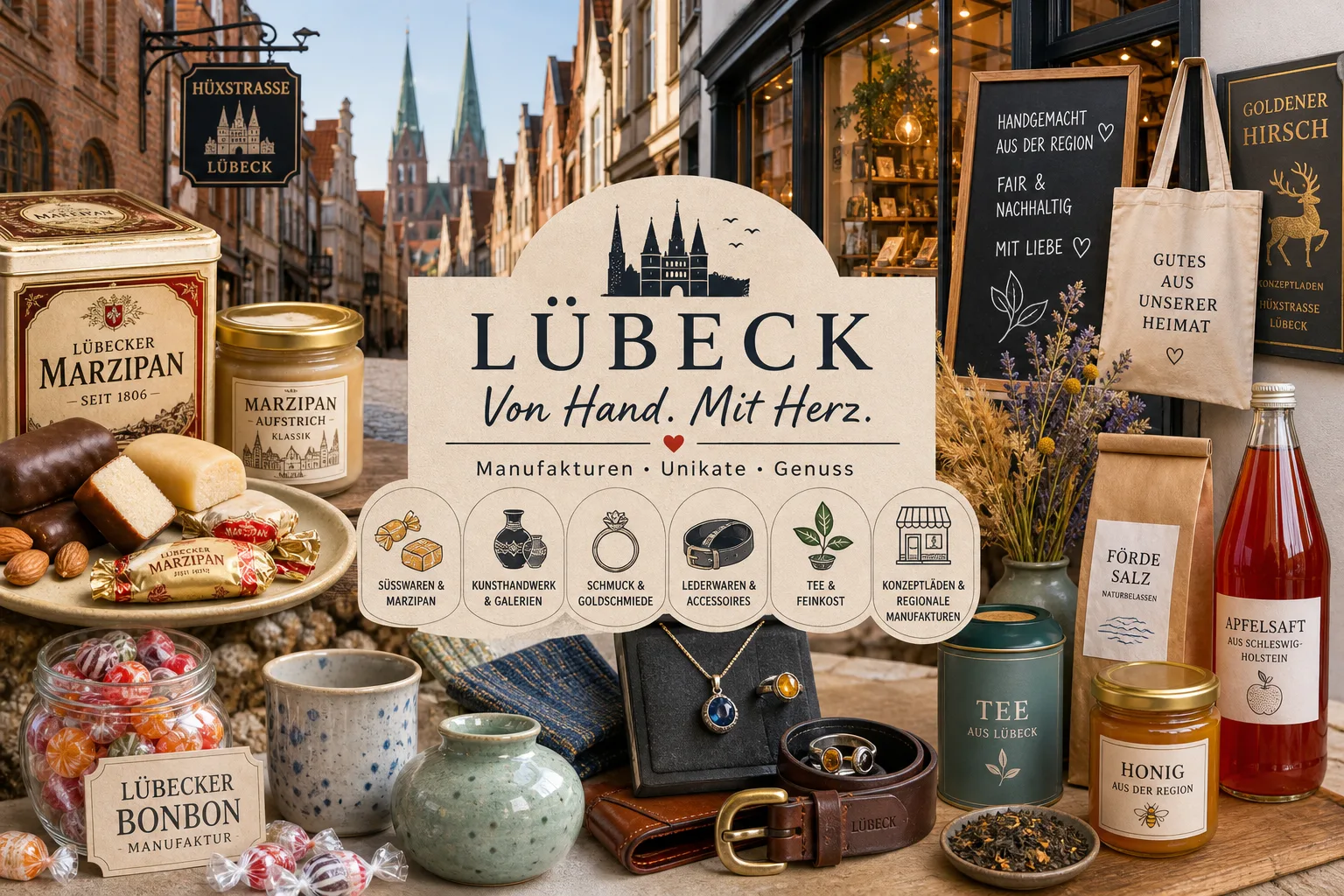
1) Gourmet Tour: Marzipan, Candies & Delicacies
If you are planning your next stay in Lübeck, a small gourmet route is worthwhile: You can combine traditional specialties like marzipan with other fine food experiences and thus consider in advance which stops you want to visit later.
Especially practical is a mix of classic souvenirs and spontaneous tastings. This turns shopping into a small culinary discovery tour that you can specifically repeat or expand on your next visit.
2) Atelier & Gallery Tour: Arts and Crafts in the Old Town
For your next visit to Lübeck, you can plan a second, quieter program: a tour of arts and crafts and galleries. This is especially worthwhile if you prefer pieces you can later explain ("I picked this out directly there...") instead of mass-produced goods.
This is how a gallery visit becomes the next highlight
When you visit galleries and ateliers, you will often see changing presentations. This is exactly what makes the appointment so worthwhile: In the future, you can specifically plan exhibitions, themed shows, or open studio days when new works are announced.
As a guide for your next route, old town areas with a dense shop scene are suitable (e.g., alleys with many owner-managed stores). There you can connect several stops on foot and turn a shopping stroll into a curated "mini-festival" of design and craftsmanship.
Souvenirs you won't regret later
When you choose a craft piece in the future, you can base your decision on three simple criteria:
- Suitability for everyday use (e.g., bowl, vase, textile, leather accessory),
- Origin & technique (material, manufacturing method, series size),
- Care & repair (what is realistic in everyday life?).
This way, your next purchase will not only be "beautiful" but also make sense in the long term.
3) Jewelry Events in Small: Consultation, Production, Remodeling
If you are traveling to Lübeck soon, you can not only "shop" for jewelry, but plan it as an appointment experience: Consultation, material selection, and possibly later adjustment make the purchase more personal than a spontaneous grab from the shelf.
How to recognize good consultation for your next appointment
- It is clearly explained which alloys, surfaces, and stone settings suit your everyday life.
- You receive information on care, durability, and possible repairs.
- There are clear details on delivery time, adjustments, and exchange/service.
Remodeling as a plan for later
If you already own jewelry, you can plan a remodeling or repair as a "purpose event" for a future stay. This is often more sustainable than buying new—and in the end, you wear something that gets a new story.
4) Leather Goods & Accessories: robust, repairable, suitable for everyday use
For your next tour through Lübeck, you can consciously look for workshops or stores that focus on durable accessories. Leather goods are particularly suitable as future souvenirs because they accompany you in everyday life and are allowed to age visibly.
What you can check on your next purchase
- Workmanship: Seams, edges, stress points (belt holes, carrying handles, zippers).
- Service: Is repair or care advice offered?
- Material transparency: Information on the origin/type of leather and care products.
Why the "everyday test" is worthwhile
If you choose an accessory in the future that you really use every day, it becomes a souvenir with a function. Therefore, do not plan your next purchase according to trends, but according to use: office, travel, cycling, city walk.
5) Concept Stores as Overview: Many Labels in One Place
If you have little time next time, you can use concept stores as a starting point: There you will often find many small labels bundled together—practical if you first want to get a feel for which product categories (ceramics, textiles, fine foods, natural cosmetics) appeal to you.
This is how you make it an efficient "discovery event"
- Start with a short tour without purchase pressure.
- Note 2–3 labels that you want to explore in more depth in ateliers/individual shops later.
- Ask for background information: Who produces? Where? In what series sizes?
This makes your next city stroll plannable: first overview, then deep dive.
6) Planning Tips: How to Find Upcoming Dates & Events
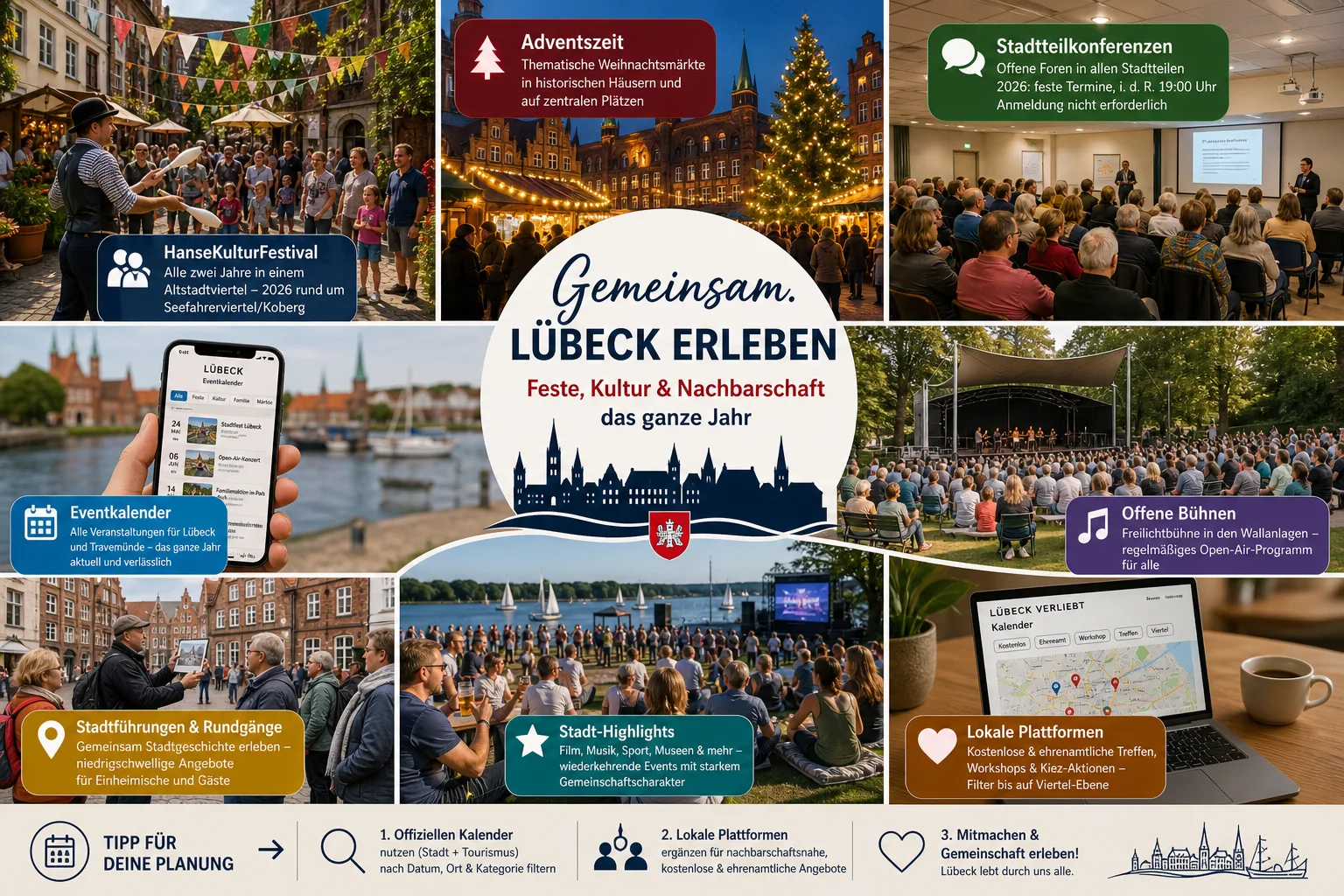
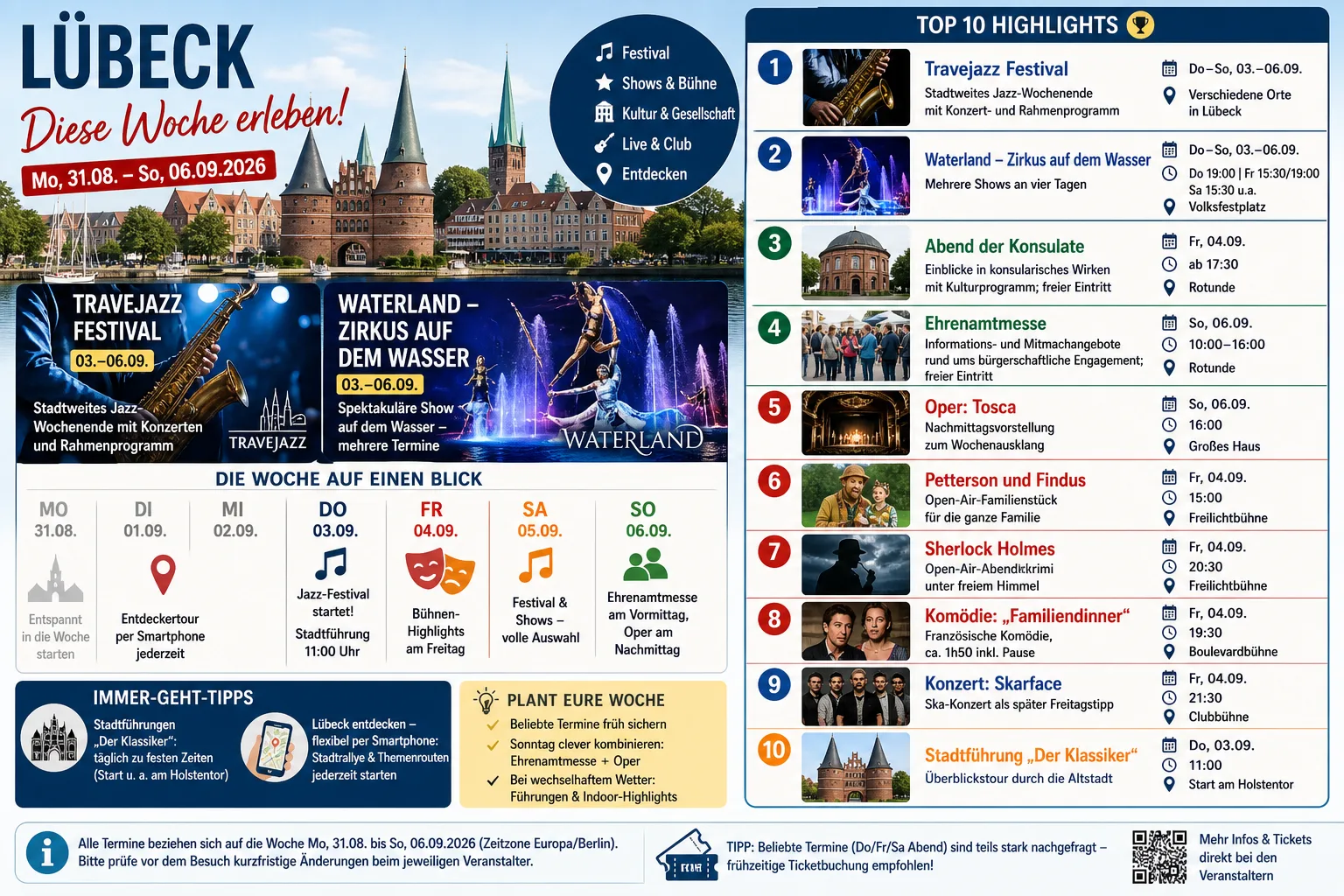
So that you really catch events (demonstrations, exhibitions, action days, tastings) in the future, you should specifically look for announced dates before your trip. This works most reliably via:
- Official event and tourism sites (for calendar-based event announcements),
- Websites and newsletters of individual manufactories/galleries (for openings, special openings, new collections),
- Social media channels of the providers (for short-term events),
- Telephone inquiry if you want to travel especially for a demonstration.
When planning your route, also set a realistic pace: Better 3–5 stops with time for conversation and selection than 12 shops in a rush. Especially with crafts, the exchange is worthwhile—and that's exactly what makes the upcoming experience.