
Gwilym Simcock
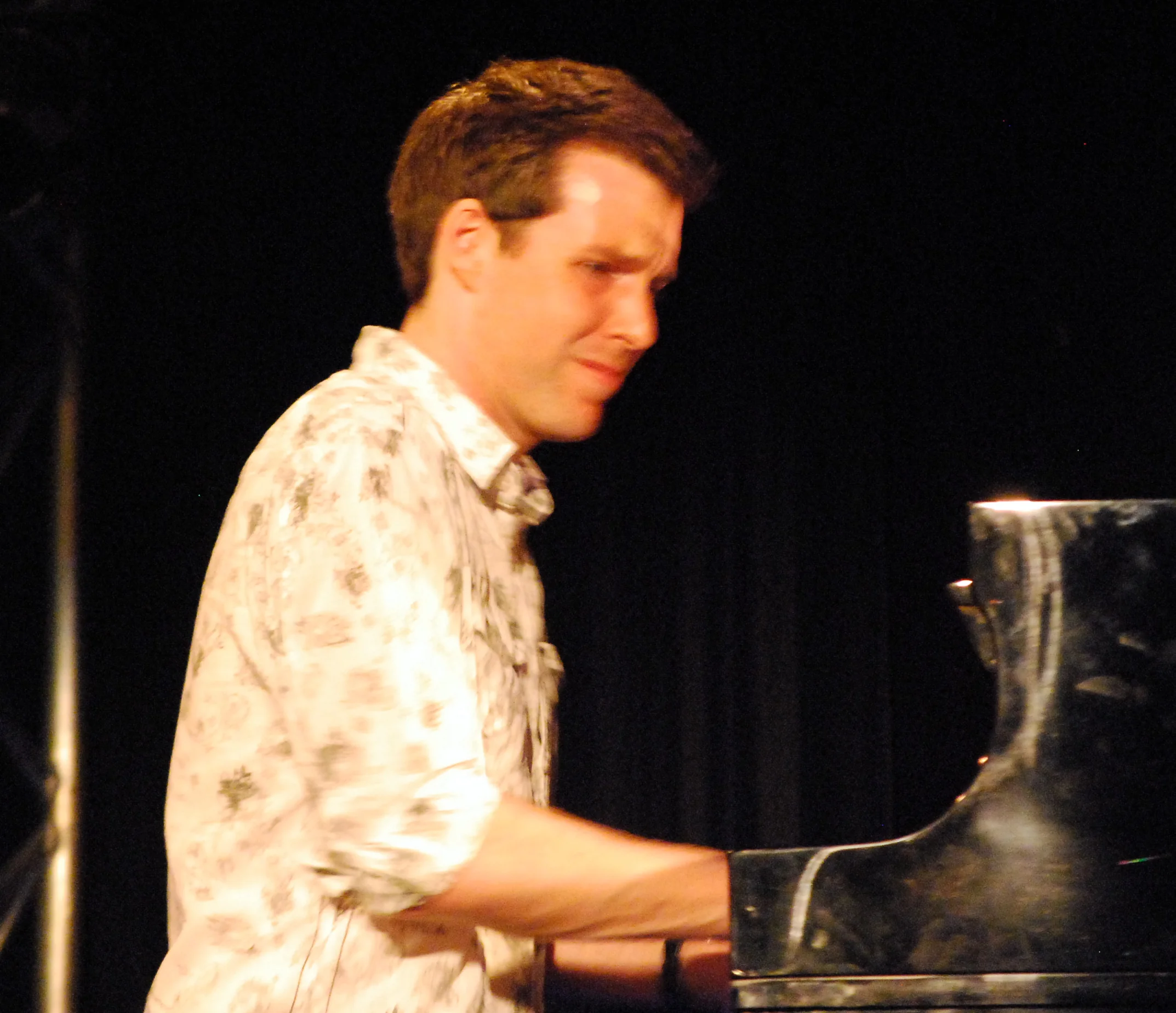
Image from Wikipedia
Image from Wikipedia
Gwilym Simcock – The British Pianist Melding Jazz and Classical into a Unique Language
An Exceptional Artist Between Improvisation, Composition, and Musical Architecture
Gwilym Simcock is one of those rare musicians whose artistic signature is immediately recognizable. Born in 1981 in Bangor, Gwynedd, the British jazz pianist, horn player, and composer moves between jazz, classical, and contemporary music with impressive confidence. He was celebrated early on as a "jazz superstar," yet also discussed for his neo-romantic gestures – a tension that continues to shape his career today. (de.wikipedia.org)
Simcock is not a musician of clear genre boundaries but a sound architect. His musical career shows how fruitful an education in classical music can be when it intersects with the freedom of jazz. Critics have praised him for his virtuosity, harmonic imagination, and ability to shape musical arcs from improvisation. This very characteristic fuels his special stage presence. (s3.amazonaws.com)
Early Influences: Bangor, Chetham's, and Dual Discipline
The foundations of Gwilym Simcock's artistic development were laid early. At just eleven years old, he achieved the highest score in national Associated Board exams for piano and horn, indicating exceptional talent and enormous discipline. He then studied classical piano, horn, and composition at Chetham’s School of Music in Manchester, before taking up jazz piano at the Royal Academy of Music in London, under John Taylor, Nikki Iles, Nick Weldon, and Geoff Keezer. (en.wikipedia.org)
This dual movement of classical training and jazz improvisation continues to inform Simcock's music today. His work is based on a deep understanding of form, counterpoint, and timbre, while remaining open to spontaneity and risk. In this combination lies the appeal of his discography as well as the tension of his concerts. (actmusic.com)
Career Beginnings and Breakthrough: From New Generation Artist to a Defining Figure in British Jazz
The professional breakthrough came quickly. In 2006, Simcock became the first jazz musician ever to be accepted into the prestigious BBC Radio 3 New Generation Artists Scheme. Soon after, he received important accolades, including the Perrier Award in 2001 with a young ensemble and the BBC Jazz Award in 2005 as a Rising Star. This recognition made him an early leading figure of a new generation of British jazz. (en.wikipedia.org)
His presence in the British music scene grew not only through awards but also through prestigious commissions and performances. In 2008, he composed and performed his piano concerto Progressions with the BBC Concert Orchestra at the Proms in the Royal Albert Hall. Further composition commissions for ensembles such as Britten Sinfonia, NDR Big Band, London Symphony Orchestra Percussion Ensemble, and Sinfonia Cymru solidified his reputation as a composer of orchestral breadth. (de.wikipedia.org)
Discography: Solo Albums, Trio Work, and Stylistic Turning Points
Simcock's discography shows a consistent development from debut to cohesive body of work. His first album Perception was released in 2007 and showcased his compositional skills alongside his piano technique. Following this, Blues Vignette, a double album released in 2009, combined both solo and trio formats and effortlessly intertwined classical and jazzy elements. The recording made it clear that Simcock is not only a virtuoso but also a storyteller in sound colors. (gwilymsimcock.com)
The next significant step was marked by Good Days at Schloss Elmau in 2011. This ACT debut was nominated for the Mercury Prize and brought Simcock international visibility. Later albums such as Reverie at Schloss Elmau (2014), Instrumation (2014), and Near and Now (2019) deepened his profile as a pianist balancing architecture, melody, and harmonic density. Additionally, Ocean Floor (2023), the single His Great Adventure (2025), and the album Big Visit (2025) are documented on Spotify. (actmusic.com)
Particularly noteworthy is how consistently Simcock utilizes the duo and trio formats. His long-standing trio with Yuri Goloubev and Asaf Sirkis exemplifies rhythmic flexibility and chamber-music density, while duo works with Goloubev or Emma Rawicz showcase his ability for fine interaction. This adds transparency to the music without losing harmonic depth. (gwilymsimcock.com)
Current Projects and Releases: The Present as a Creative State
In recent years, Gwilym Simcock has remained both productive and present. According to his official short profile, he served as the first Artist in Residence with the NDR Big Band in Hamburg in 2018/19, regularly collaborated with the LSO Percussion Ensemble, and composed a new work for the Stuttgart Chamber Orchestra in 2022. In 2023, he wrote for the Brussels Jazz Orchestra. These projects demonstrate an artist who does not work in hindsight but continually expands his language. (s3.amazonaws.com)
In 2025, the duo album Big Visit with saxophonist Emma Rawicz was released, recorded in July 2024 at Curtis Schwartz Studios and published by ACT. This project emerged from a concert celebrating Simcock’s 40th birthday at the Royal Academy of Music and was perceived by the press as a particularly inspired duo encounter. The release highlights how significantly Simcock affects a younger scene as a partner, mentor, and creative impulse. (gwilymsimcock.com)
Style and Sound Language: Jazz as Form, Classical as Resonance Space
Simcock's style thrives on a rare balance between structure and freedom. Official descriptions highlight his "virtuoso technique" and cross-genre compositions, while critics note the unique architecture of his pieces. His music employs classical counterpoint techniques, romantic harmonies, and clear motivic development, all without ever sliding into mere quotation art. (actmusic.com)
Several press reviews describe his work as far-reaching, colorful, and emotionally precise. The formulations range from "glorious wave of sound" to "great storytelling on 88 keys" and praise for his "harmonic journeys" and "clarity of line." This reception underscores that Simcock occupies a distinctive position in the tension between improvisation and composition. (s3.amazonaws.com)
His music career is thus exciting because it cannot be fully categorized within the pure jazz canon or the classical repertoire. Simcock works with orchestras, choirs, big bands, and small ensembles, composing music that combines fully written passages with improvised sections. The result is a soundscape that remains intellectually challenging yet emotionally accessible. (s3.amazonaws.com)
Cultural Influence, Recognition, and Collaboration
Gwilym Simcock has established himself as a defining figure in British jazz and beyond. His collaboration with Pat Metheny and his quartet since 2016 has opened additional international stages for him, while his joint work with artists such as Tim Garland, Yuri Goloubev, and Emma Rawicz underscores his versatility. His teaching role as a professor of jazz piano at the Royal Academy of Music further strengthens his cultural influence. (s3.amazonaws.com)
Critics indicate a rare profile: a musician who convinces audiences, the press, and peers alike. That Chick Corea labeled him as “original” and a “creative genius” while Jamie Cullum highlighted him as “our best young piano player” speaks volumes about his perception in the scene. Simcock thus aligns with those pianists who not only play but also change musical ways of thinking. (actmusic.com)
Conclusion: Why Gwilym Simcock Fascinates Especially Live
Gwilym Simcock is an exceptional pianist because he understands jazz not as a stylistic boundary but as an open form. His career combines early accolades, international collaborations, compositional authority, and a distinctive sound that blends lyrical warmth with harmonic complexity. Those who listen to his music experience not only virtuosity, but a rare connection of intelligence, feeling, and narrative breadth. (actmusic.com)
It is particularly in live performances that this art unfolds most strongly. There, his rhythmic tensions, finely nuanced harmonies, and improvisational fantasy are immediately palpable. Gwilym Simcock belongs to the musicians that one should not only know but experience. (s3.amazonaws.com)
Official Channels of Gwilym Simcock:
- Instagram: no official profile found
- Facebook: no official profile found
- YouTube: no official profile found
- Spotify: https://open.spotify.com/artist/6oXieOD3dHfCCmmy96W2eR
- TikTok: no official profile found
Sources:
Upcoming Events
Emma Rawicz & Gwilym Simcock